
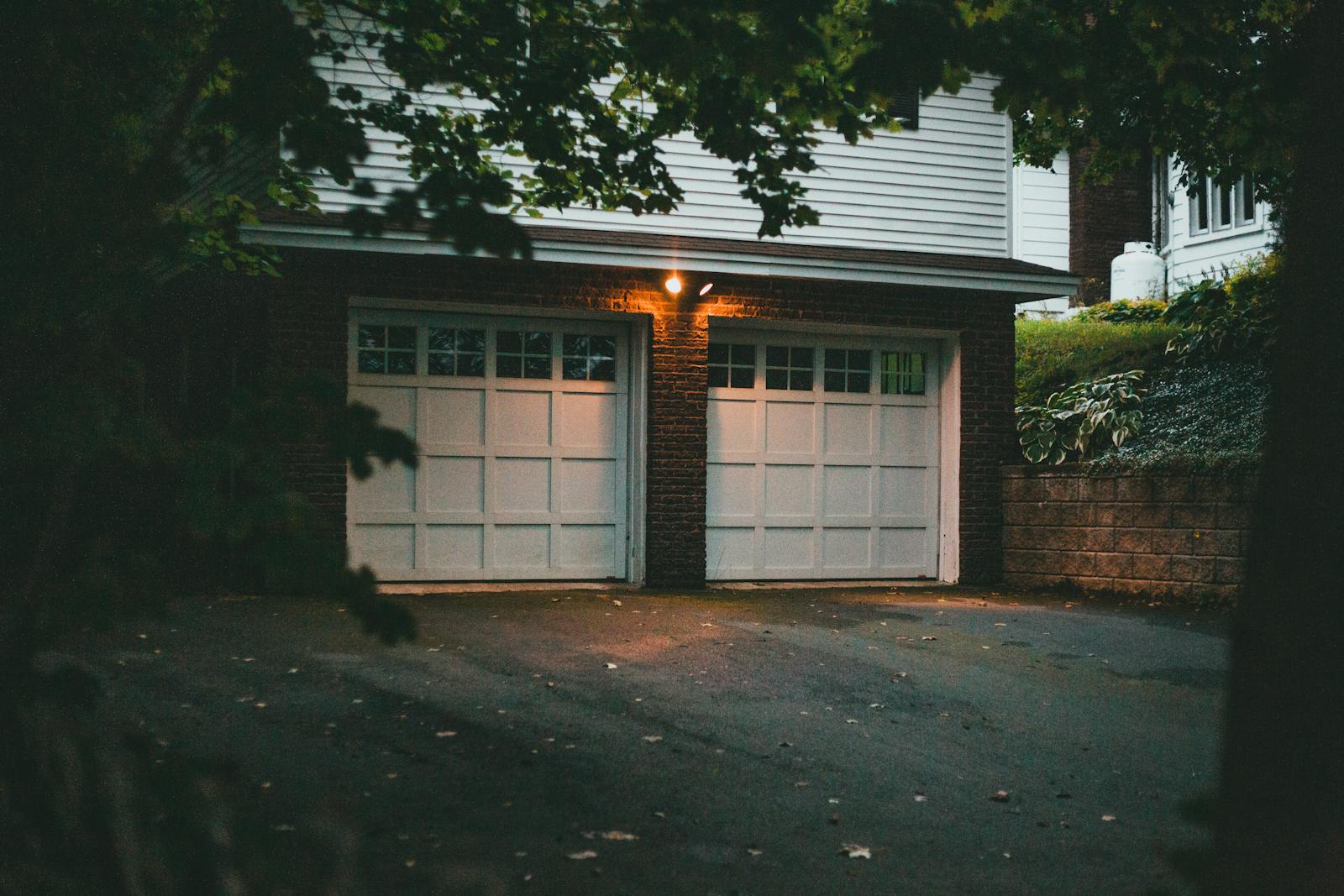
How Do the Three Materials Compare on Price?
Steel — entry to mid-range pricing
Non-insulated single-layer steel: quoted in person installed. Insulated 2-layer steel: quoted in person installed. Premium 3-layer insulated steel with embossed wood-grain or sandstone finish: quoted in person installed. Steel dominates the PA mid-market because it delivers excellent value at price points homeowners actually pay.
Aluminum — mid to high pricing
Standard aluminum with painted finish: quoted in person installed. Insulated aluminum with foam core: quoted in person Full-view aluminum doors with glass panels (modern architecture): quoted in person installed. Aluminum's premium reflects its lighter weight (gentler on openers and springs) and rust-proof properties.
Wood — premium pricing only
Standard cedar or hemlock wood doors: quoted in person installed. Premium mahogany, redwood, or custom wood with carriage-house hardware: quoted in person installed. Custom hand-crafted wood doors (truly bespoke): quoted in person+. Wood is never the budget option in PA; it's chosen for aesthetics, historic-district compliance, or specific architectural fit.
Pricing includes
All quoted prices include: the door panel(s), all hardware (track, brackets, hinges, rollers, springs, cables), installation labor, removal of the old door, and a basic safety inspection of the existing opener. Openers and high-end opener upgrades are additional (quoted in person — see our 2026 PA opener buying guide).
PA market range from other companies
Steel: quoted in person typical PA market. Aluminum: quoted in person Wood: quoted in person Our pricing is at or below market average for all three materials, with the same 5-year workmanship warranty across all materials.
How Do They Perform in the Pennsylvania Climate?
Steel — best all-around PA climate performer
Modern steel doors with polyurethane foam core are dimensionally stable from -20°F to +120°F. Steel does not absorb moisture, does not split or crack, and does not need re-sealing. The only PA climate weakness: rust if the protective coating is breached (typically from impact damage or scratches). Modern galvanized steel + powder-coat finish lasts 20–25 years in PA without rust issues.
Aluminum — best for coastal and salt-heavy areas
Aluminum is completely rust-proof. For Erie lakefront homes, Delaware coastal PA, and any PA home within 2 miles of major interstates, aluminum's salt resistance is a significant advantage. Weakness: aluminum is softer than steel and dents more easily — a flying tree branch in a Pocono ice storm can leave a permanent dent.
Wood — worst PA climate performer without maintenance
Wood absorbs moisture, swells in summer humidity, contracts in winter dry air, and is vulnerable to freeze-thaw splitting if any seal coat is breached. With diligent maintenance (re-seal every 2–3 years, prompt repair of any visible damage), wood lasts 18–25 years. Without maintenance, wood requires panel replacement by year 8–12.
Freeze-thaw resistance comparison
Steel: excellent — zero dimensional change. Aluminum: excellent — minimal expansion (3.6 ppm/°F vs steel's 6.7 ppm/°F). Wood: poor — 4-12% dimensional change between dry winter and humid PA summer, driving seal failures and crack propagation.
Salt and corrosion resistance comparison
Steel: good with intact coating, poor when scratched. Aluminum: excellent — immune to salt corrosion. Wood: depends entirely on the protective sealer; raw wood degrades rapidly in salt environments.
Insulation performance comparison
Steel (3-layer): R-13 to R-18 achievable, best insulation values in the market. Aluminum (insulated): R-9 to R-13. Wood (natural): R-2 to R-4 unless built as an insulated panel sandwich. For attached garages or conditioned spaces, steel offers the best insulation per dollar.
What Are the Maintenance Requirements?
Steel — minimal maintenance
Annual: wipe with soapy water if dirty, inspect for any coating damage from impacts. Every 5 years: touch up any scratches with manufacturer-supplied paint. Lifetime: zero re-sealing required. Total annual maintenance cost: quoted in person
Aluminum — minimal maintenance
Annual: wipe with soapy water if dirty, check hinges and hardware (aluminum's lighter weight reduces hardware wear). Every 5–10 years: inspect anodized or painted finish for any breakdown. Total annual maintenance cost: quoted in person
Wood — significant maintenance
Annual: inspect for any moisture intrusion, panel cracks, seal coat breakdown. Every 2–3 years: re-seal entire door with appropriate exterior wood sealer (quoted in person in materials, or quoted in person if hired). Every 8–12 years: panel replacement may be required if neglected. Total annual maintenance cost: quoted in person averaged over years.
Hardware maintenance (all three materials)
Annual lubrication of rollers, hinges, springs, and opener chain/belt — same for all three materials. PA annual maintenance guide. Cost: quoted in person per professional tune-up or quoted in person in DIY supplies.
Damage repair cost comparison
Steel panel replacement (one section): quoted in person in PA. Aluminum panel replacement: quoted in person Wood panel replacement: quoted in person (custom-made to match existing). Dent repair: steel can sometimes be straightened (quoted in person); aluminum dents are permanent; wood splits cannot be invisibly repaired.
Refinishing options
Steel: can be repainted with vehicle-grade paint at quoted in person Aluminum: anodized finish cannot be repainted easily; powder-coat finishes can be stripped and re-coated at quoted in person Wood: full strip-and-reseal at quoted in person; full strip-and-refinish to new wood appearance at quoted in person
Which Material Suits Which PA Home?
Steel — best for Philadelphia row homes, Pittsburgh suburbs, all 1990s+ construction
Steel's price-to-durability ratio makes it the right answer for most PA homes. Recommended for: standard attached garages, detached suburban garages, modest-budget historic replacements, and rental properties (see our PA rental standards).
Aluminum — best for Erie, coastal PA, modern architecture, salt-belt homes
Aluminum makes sense for: Erie homes within 1 mile of Lake Erie, Delaware River-bordering PA homes, mid-century modern homes (Bauhaus or Frank Lloyd Wright styles), homes featuring full-view glass-panel doors, contemporary homes built 2000s+.
Wood — best for historic districts, premium architecture, carriage-house aesthetics
Wood is the right choice for: homes in Philadelphia historic districts (Old City, Society Hill, Queen Village), Bethlehem National Historic Landmark district, Lancaster City Heritage Conservation district, Chestnut Hill historic area, Lititz, Carlisle, Doylestown, Wayne, Bryn Mawr, and any home with original wood doors being replaced.
Hybrid options
Some manufacturers offer steel doors with composite-wood or vinyl-wood overlays — achieving wood appearance with steel durability. Pricing quoted in person A practical middle ground for homeowners who want wood looks without wood maintenance.
Climate zone considerations
Within PA, climate varies more than many homeowners realize. Erie, Pocono, and Bradford County (USDA Zone 5b) see extreme winter cold; Philadelphia, Reading, and York (Zone 7a) are milder. Pittsburgh and Lehigh Valley are intermediate (Zone 6b). All three materials work in all PA zones, but maintenance schedules for wood compress in the colder zones.
How Does Each Material Affect Opener Selection?
Door weight by material (standard 16x7 door)
Steel (2-layer insulated): 145–180 lbs. Steel (3-layer insulated): 175–225 lbs. Aluminum (insulated): 115–155 lbs. Aluminum (full-view glass): 165–215 lbs. Wood (cedar): 195–265 lbs. Wood (mahogany or premium): 245–325 lbs.
Opener horsepower recommendations
Steel doors: 1/2 HP opener sufficient for 2-layer; 3/4 HP recommended for 3-layer. Aluminum doors: 1/2 HP sufficient. Wood doors: 3/4 HP minimum, 1 HP recommended for cedar/mahogany. PA opener horsepower guide.
Spring sizing by material
Heavier doors require higher-tension springs with shorter useful lives. Steel 3-layer and wood doors typically use 27,000–35,000 cycle springs. Aluminum doors can use lower-tension 20,000 cycle springs. Heavy wood doors may benefit from dual-spring configurations.
Smart opener compatibility
All three materials are fully compatible with LiftMaster myQ, Genie Aladdin Connect, and Chamberlain MAX smart openers. See our smart opener app comparison.
Battery backup considerations
PA homes with frequent power outages (rural counties, Pocono region) benefit from battery-backup openers regardless of door material. PA battery backup guide.
Noise considerations
Heavier wood doors paired with chain-drive openers produce more noise. For wood doors on bedrooms or living spaces (attached garages), belt-drive or jackshaft openers reduce noise. Belt vs chain drive comparison.
What Is the 20-Year Total Cost of Ownership?
Steel — lowest 20-year TCO
Initial install: quoted in person Annual tune-ups (10 over 20 years): quoted in person Likely component replacements (rollers once, opener once): quoted in person Estimated panel touch-ups: quoted in person Total 20-year cost: quoted in person Best value tier.
Aluminum — moderate 20-year TCO
Initial install: quoted in person Annual tune-ups (10): quoted in person Component replacements: quoted in person No refinishing typically needed. Total 20-year cost: quoted in person Mid-tier value.
Wood — highest 20-year TCO
Initial install: quoted in person Annual tune-ups (10): quoted in person Re-sealing every 2–3 years (8 times in 20 years at quoted in person each): quoted in person Panel repairs/replacements (estimated 1–2 over 20 years): quoted in person Total 20-year cost: quoted in person Premium tier — paid for in aesthetics.
Hidden costs that affect all three
Insurance premiums: unchanged by material in most PA policies. Resale value: steel is value-neutral, aluminum slightly value-positive on modern homes, wood significantly value-positive on historic homes. Energy cost (heating attached garages): higher insulation R-value reduces heat loss; steel offers the highest available R-value.
Replacement timing differences
Steel: typically 22–28 years before full replacement. Aluminum: 25–32 years. Wood (maintained): 18–25 years. Wood (neglected): 8–12 years. End-of-life replacement reset the TCO clock.
Where to spend the savings
Money saved on a cheaper steel door can be invested in: (1) upgraded insulation (R-13 → R-18), (2) better opener (chain → belt or jackshaft), (3) battery backup, or (4) smart-opener upgrade. These functional improvements deliver daily value; aesthetic premiums on wood deliver only visual value.
Frequently Asked Questions
Which material is best for Pennsylvania winters?
Steel is the best all-around PA winter performer. Modern steel garage doors with R-13 to R-18 polyurethane insulation handle Pennsylvania's -10°F to +95°F annual range without dimensional change. Aluminum performs almost as well but is more dent-prone. Wood requires diligent maintenance to prevent moisture absorption that leads to freeze-thaw splitting.
Does aluminum rust in Pennsylvania?
No — aluminum does not rust (it oxidizes, forming a protective surface layer that prevents further corrosion). This makes aluminum the right choice for: (1) Erie lakefront homes with high salt-spray exposure, (2) homes within 2 miles of major PA interstates with heavy road-salt application, and (3) modern-architecture installations where aluminum's full-view glass-panel designs are desired.
How long do wood garage doors last in PA?
Wood doors with diligent annual maintenance (re-sealing every 2–3 years, inspection for moisture intrusion, prompt repair of any panel cracks) last 18–25 years in Pennsylvania. Wood doors with minimal maintenance last 8–12 years before requiring panel replacement or full door replacement. The annual maintenance cost (~quoted in person per service) is the determining factor.
Which material has the lowest total cost over 20 years?
Steel has the lowest 20-year total cost in PA: quoted in person install + ~quoted in person in tune-ups over 20 years = quoted in person lifetime cost. Aluminum: quoted in person install + ~quoted in person tune-ups = quoted in person Wood: quoted in person install + quoted in person in maintenance over 20 years = quoted in person Steel wins on cost; wood wins on aesthetics.
Is wood worth the extra cost for a Pennsylvania historic home?
For homes in PA historic districts (Old City Philadelphia, Society Hill, Chestnut Hill, Lancaster City historic core, Bethlehem historic district, Mount Carmel), wood is often required by Architectural Review Boards. Outside historic districts, the wood premium is purely aesthetic. PA historic district garage door guide.
Are aluminum garage doors insulated?
Yes — modern aluminum garage doors are available with foam-core insulation (R-9 to R-13). Insulated aluminum doors are roughly quoted in person more than non-insulated. For attached garages or any conditioned garage space in PA, insulated is the standard recommendation. PA insulation R-value guide.
Do you carry all three materials in stock?
Yes — we carry standard sizes in steel (Clopay, Amarr, CHI brands) and aluminum (Wayne Dalton, Amarr) at our PA service warehouse. Custom wood doors are made-to-order with 4–6 week lead times. Same-day install possible for in-stock steel and aluminum sizes. Clopay vs Amarr comparison.
Pro Tip — Photograph before you call
A 30-second phone video of the symptom (or photos of damage, measurements, error codes) lets our PA dispatcher diagnose 60-70% of cases by phone — so the technician arrives with the right parts on the first visit. No second trips, no waiting for parts orders.
⚠️ Safety Warning
Do not attempt high-tension spring or cable work yourself. Pennsylvania garage door springs store 150-300 lbs of energy and have caused serious injuries to homeowners attempting DIY repairs. PA HIC-registered contractors carry the proper winding bars, training, and insurance.
Pro Tip — Annual tune-ups prevent 70% of emergencies
Our PA annual tune-up service (quoted in person statewide) catches the leading causes of emergency failures before they escalate. Spring tension, cable fraying, roller wear, hinge degradation, opener health, and safety sensor function are all inspected. PA annual maintenance guide.
Pro Tip — Ask about our 5-year workmanship warranty
Every OnPoint Pro Doors PA repair carries a 5-year workmanship warranty — vs the PA industry standard of 1-2 years. If the same component fails again within 5 years, return labor is free. Document this in your service agreement at the time of repair.
Step-by-Step PA Service Process
- Call (484) 312-5999 or reserve online. Describe your symptom, location, and any photos/video available.
- Phone diagnosis. Our PA dispatchers diagnose 60-70% of issues over the phone with your description and photos.
- Same-day appointment. Most PA calls received before 2 PM get a same-day technician visit. Emergency calls 24/7.
- On-site diagnostic (free). Technician arrives, confirms diagnosis, and provides a written estimate before any work.
- Repair on the first visit (typical). Our PA trucks carry the most common parts for top opener and door brands. 92%+ of PA repairs are completed on the first visit.
- Test and document. Full safety test, balance check, and a 5-year workmanship warranty in writing.
- Follow-up. A 7-day check-in to confirm the repair is performing as expected.
Do & Don't — Pennsylvania Cheat Sheet
✅ DO
- Schedule annual PA tune-ups in October before winter
- Address symptoms within 30 days of first appearance
- Photograph or video the issue before calling
- Use a HIC-registered Pennsylvania contractor
- Get written warranty terms (we offer 5-year)
- Call (484) 312-5999 for same-day PA dispatch
❌ DON'T
- Ignore early warning signs (bumps, noises, scrapes)
- DIY high-tension spring or cable work
- Hire an unregistered or uninsured PA contractor
- Accept "as-is" repairs without a written warranty
- Lubricate the tracks (lubricate rollers and hinges instead)
- Force a binding door through repeated cycles
Get Same-Day Pennsylvania Service
OnPoint Pro Doors PA handles steel vs aluminum vs wood garage door every week across all 67 Pennsylvania counties — same-day dispatch to Philadelphia, Pittsburgh, Allentown, Reading, Lancaster, Erie, Scranton, Harrisburg, Bethlehem, Williamsport, York, Easton, and Altoona.
- No trip fee. No diagnostic charge. Free written estimate before any work.
- Same-day PA dispatch for calls received before 2 PM.
- 5-year workmanship warranty on every repair.
- HIC-registered Pennsylvania contractor. Stocked Trucks.
Call (484) 312-5999 right now or email service@onpointprodoors.com. For non-emergency scheduling, use our online reservation form.
Related guides: PA annual maintenance checklist • PA repair cost guide • PA garage door troubleshooting • All PA services